


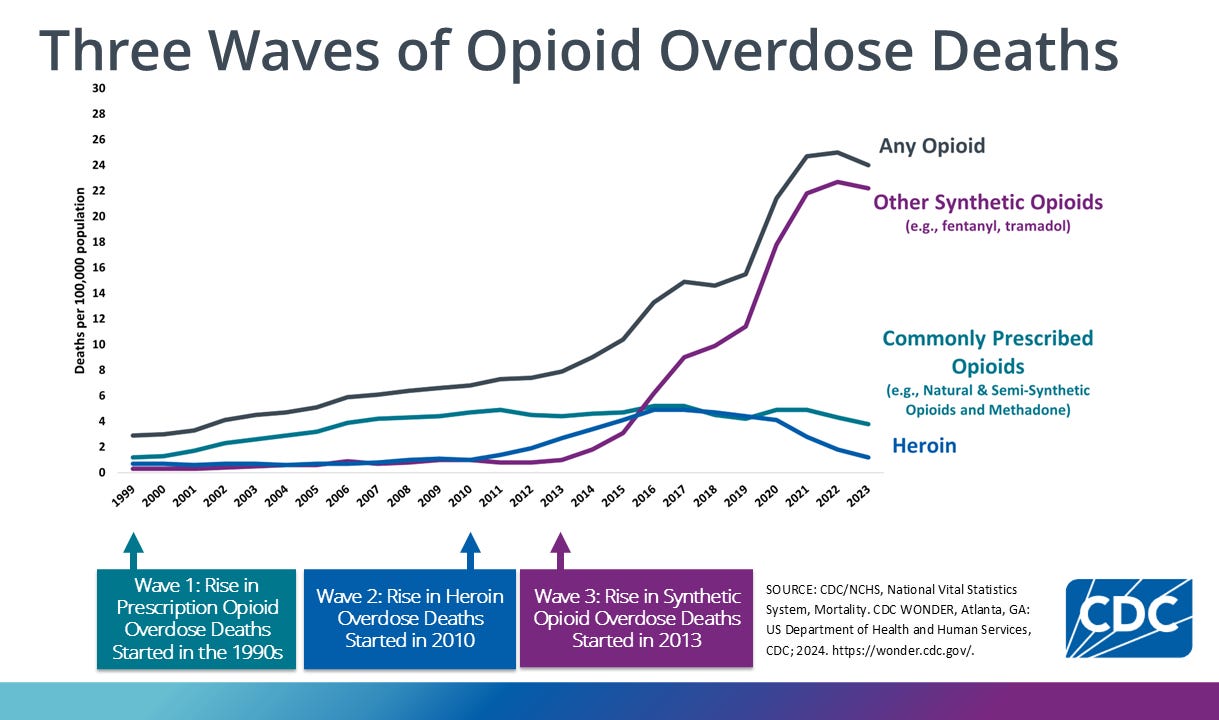
We are in the third wave of the opioid crisis. 1 in 30 Americans report opioid misuse. Drug overdose is the leading cause of death for Americans aged 18-44, and 3 in 4 of drug overdose deaths are from opioids. If drug-related deaths did not occur, the expected American lifespan would be almost one year longer, more than the effect of firearm-related and alcohol-induced deaths combined. People living below the federal poverty line can be three times as likely to need opioid use disorder treatment as those with moderate incomes. Black and Hispanic adults who need treatment are less likely to receive it than white adults. If the left is to uphold values of humanity, equity, and justice, we must address the largest ongoing epidemic of our time.
New research suggests that the opioid crisis turned places Republican. Voters were persuaded by right-facing media that the crisis was an issue of crime and disorder, granting electoral benefits to the right. If the Left addressed the opioid crisis head-on, could this red shift turn blue?
The Political Cost of Bad Governance
In every case where the state succeeded in managing this crisis, there aren’t obvious examples of leftward political gains. Switzerland’s bi-partisan Four Pillar program made the path out of the opioid epidemic known: prevention, therapy, harm reduction, and enforcement. Essentially, opioid users are treated by a robust medical system while trafficking remains criminal. The Portuguese socialist party adapted this public-health-first approach which, because it was kept in place by the center-right, reduced drug-induced deaths by 80% over two decades. Even in Ohio, Republican Governor Mike DeWine made use of the Affordable Care Act’s Medicaid expansion funding to get similar results. Successful opioid policy tends to earn bi-partisan adoption once implemented—that makes durable political reward hard to win.
At the very least, we know that bad implementation can polarize people against good ideas. Oregon attempted decriminalization in 2020 via a state-wide referendum. The plan was to pair the policy with robust collaboration between the Health Authority and the Department of Public Safety and a clear pipeline from the treatment hotline to a medical screening—none of this occurred. Fewer than 1000 people even called the treatment hotline in the four years before re-criminalization in 2024. When the left has another opportunity to fight this epidemic, they need to deliver.
How to Stop the Third Wave
Fentanyl has become the deadliest opioid through its low production cost and high potency. The simplest way to reduce overdose of a drug is to make it more expensive to sell. However, fentanyl is just so cheap that drug-war tactics like market-side seizures fall flat—dealers can just make more fentanyl. Tough-on-crime policy is insufficient. Most fentanyl precursor chemicals are produced in China, so it’s plausible to increase the supply-side cost of fentanyl through a national deal with the Chinese government.
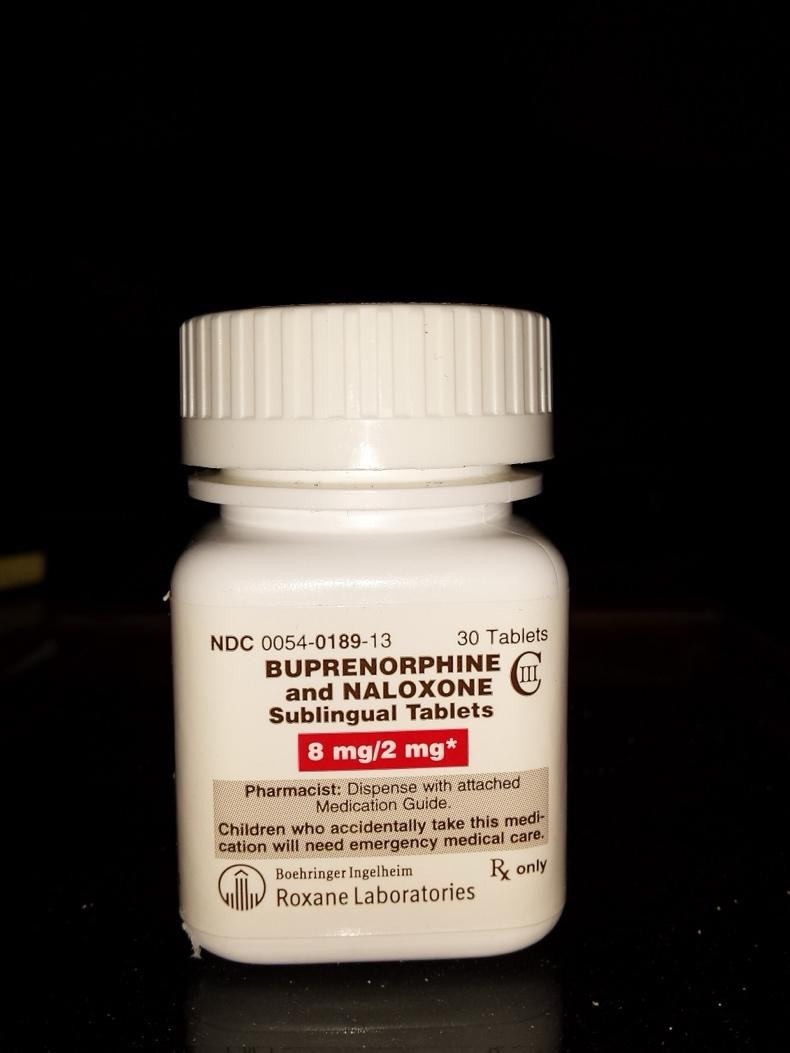
Luckily, we also have better medication to fight against opioid addiction, reducing demand. Long-acting buprenorphine reduces the symptoms of addiction without intoxication. Really take that in: we have a monthly injection that dramatically reduces cravings and the risk of fatal overdose.
Buprenorphine’s non-intoxicating nature reduces the cost of administration while avoiding the negative public reaction methadone centers invoke. When inmates with opioid use disorder are offered buprenorphine, we see elevated rates of treatment adherence, likely reducing recidivism. This drug reduces both the appearance and actuality of crime.
You can find story after story of people addicted to opiates for decades who got their lives back from buprenorphine—yet only 27% of patients with opioid use disorder ever receive medication. There are entire counties in the United States without a single provider. The state needs to make a proactive effort to train and guide doctors to prescribe this life-saving medication. Expanding buprenorphine access should be a priority of the municipal and gubernatorial left across the country to save lives while reducing public disorder.
The public may feel that drug-use is an issue of disorder, but this does not change that the Left’s most effective levers to ensure the quality of public life are in the realm of public health policy. Is good governance enough?
A Caveat on Deliverism
President Biden combined increased access to buprenorphine with targeted disruption of fentanyl traffickers and an agreement with China to reduce the production of precursor chemicals to reduce deaths from fentanyl by 37% from 2023 to 2024. Personally, I had no clue that Biden had such a robust response to the opioid crisis, but that might not be my fault. In hindsight, NPR was unable to “find a single instance where Biden or Harris talked on the campaign trail about that progress.”
If there is one lesson to take away from the Biden administration, it is that good policy dies in darkness. If politicians fail to message on their results, they will not maintain the political power to keep delivering. If we get lucky, the bipartisan backing of the SUPPORT Act to continue funding for prevention, treatment, and recovery under Trump is a sign of lasting bipartisan support, but we will not get lucky on every policy. As shown by the quiet success of the Biden Administration and the loud failures of Oregon, the party that will solve the opioid crisis must both govern and message.
The difficulty of communicating public health victories is of unique concern for the left. A healthy society doesn’t look like police in the streets or a check with the president’s name on it—the benefits are delivered from nurses and doctors with no obvious political affiliation. We must be bold and experimental in communicating the subtle benefits of good governance—maybe taking some inspiration from Mayor Mamdani. Imagine a mayor holding a press conference with people who entered recovery through a city program, a governor installing a billboard in a swing county counting how many overdoses have been reversed by Narcan, the president’s social media publishing interviews with civil servants engaged in the fight against addiction across the country. The Republican party has discovered how to campaign on the presence of disorder—the left must find ways to run on the absence of death.

How much thought have you given to the general idea that with capitalism in crisis in the Core, socdem technocracy will fail inevitably and any leftist unlucky enough to take power will only accrue blame and set back the movement even further? I often have a hunch that this is true. Maybe you call yourself Promethean out of a well reasoned conviction that it is not true?