On Google Street View I saw rows of single-family housing beside Golden Gate Park and I wept. Where is all the housing that could have been built? How many have already been forced from their homes?
The alliance between YIMBYs and Tenant advocates seems intuitive to me, but reports indicate that people in San Francisco have bad vibes and are incapable of effective communication. I am inclined to believe that a fair portion of the continued animosity between YIMBYs and Tenant Advocates flows downstream from there.
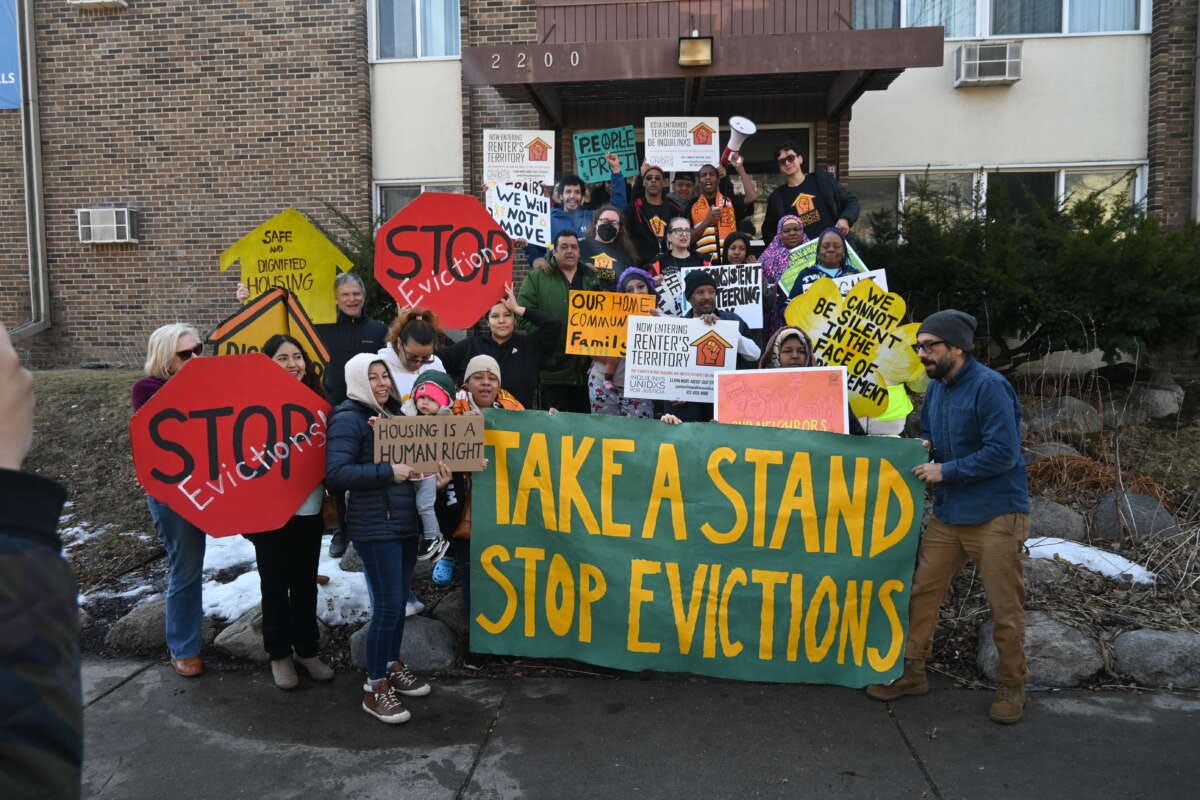
Tenant advocates argue that strong tenant protections are necessary to protect tenants from market forces that lead to displacement and predatory and exploitative landlords. YIMBYs argue that building more housing, including market-rate housing, decreases the cost of housing overall, producing more affordable options for low and middle-income renters. YIMBYs advocate for reforms in zoning, environmental review, and local veto ability to enable the construction of that housing. Tenant Advocates demand public housing, good cause eviction, right of first refusal, and rent regulation. In general, these groups are not mutually exclusive, and if anything, they complement each other. In my view, it is time for us to move past the antagonism, for housing advocates divided against themselves cannot stand.

Empirical Claims and Needless Disagreement
The core empirical position fueling the Tenant Advocate / YIMBY schism is persistent skepticism towards the YIMBY claim that market-rate housing construction decreases rents. This perspective is typically called supply side skepticism. A strain of supply side skepticism is the argument that market-rate housing increases costs in neighborhoods due to an influx of higher income residents who are willing to pay higher prices for rents and services. The argument goes that these cost increases place financial strain on low-income individuals, ultimately causing displacement. The observable changes that accompany an influx of higher-income residents into a neighborhood is frequently called gentrification.
Gentrification is a slippery word with contested meaning. Often, minority cultural displacement is wrapped up in the idea of gentrification. Whether a neighborhood’s status as “gentrifying” is causally correlated to increased displacement rates is heavily contested. Qualitative research and tenant advocate experience frequently position gentrification as a culprit of displacement. On the other hand, quantitative research on gentrifying neighborhoods finds minimal support for those qualitative claims. Part of the problem, as one recent study puts it, is that no one can agree on what the word “gentrification” means. That study, which in its addendum considered four possible definitions for gentrification, generally found that gentrifying neighborhoods had lower rates of eviction than comparable non-gentrifying neighborhoods.
I want to make it clear that displacement is famously hard to measure and characterize. Eviction is a useful proxy, but it does not consider voluntary moves or buyouts. Some tenant advocates even characterize displacement as the phenomenological feeling of neighborhood change. Within this last definition, new housing’s material effect on displacement is tempered by the symbolic resonance that new housing has with displacement for existing residents. However, in this empirical discussion, I am focused on the material consequences of actual forced physical displacement. We will return to feelings later.
Everyone agrees that high costs are a driving factor in displacement. Tenants who are part of racial minorities in any neighborhood are more likely to find themselves displaced. Neighborhood changes resulting from the influx of predominately white, yuppie types and increasing rents in low- and middle-income neighborhoods are easily observable. However, virtually every study on the topic has shown that increasing rental supply in a neighborhood, regardless of the type of supply, decreases rental costs across all demographic groups. Several studies have found that neighborhoods that construct market-rate housing have lower rates of displacement for low- and middle-income residents. Simply put, the idea that market rate housing increases neighborhood cost and displacement is not empirically well founded. When housing is built, old neighbors are not necessarily traded out for new ones.
That does not mean that market-rate housing alone will ensure that everyone receives safe, stable housing. Most benefits of market-rate housing construction are allotted to middle and high income residents. Strong tenant protection, and subsidized, public housing are needed to fully serve people across all incomes. But market-rate housing construction is positive-sum. More housing increases vacancy rates. Higher vacancy rates empower tenants to make demands. As tenants and advocates, if we build more housing, we have more leverage, we can make more ambitious demands. We should understand market-rate housing as one of many tools in our arsenal.
Deciding to Win
Too often, tenant advocates are derided as NIMBYs, and YIMBYs are tarred as libertarian shills. While both parties have their bad actors, neither characterization is entirely accurate, and it is frustrating to see my enemies gloat as my allies fail to coordinate.This brings us to the heart of the problem: are we talking to each other?
A qualitative focus on the experience of gentrification rather than the material causes of displacement can cause us to misidentify our enemies, but that does not mean we should write off the concerns of qualitative experience. Implicit biases and cultural tensions between old and new residents can make existing residents uncomfortable within their neighborhoods. We can address this problem head on through incentivizing a shared sense of community engagement and interaction between residents. Efforts in public schools geared towards that goal have proven broadly successful.
Similar integration efforts will need to extend into other facets of social life. An affordability crisis is continuously displacing low and middle income, disproportionately minority people in urban cores. It makes all but the privileged few increasingly anxious and unstable. And when a building goes up in your neighborhood as your neighbors are getting evicted, it’s easy to feel left behind. We cannot allow that feeling to distract us from who our real enemies are. Your new neighbors are not the billionaires trying to consolidate immense power. Your new neighbors are not the machine politicians who are bent on stymying a growing tide of progressive and socialist challengers. Your new neighbors are not your enemies. The calls of some socialists are correct in their emphasis on building community within the coalition. Relationships built on trust can change minds when data cannot.
Those relationships should still work to demand empirically grounded housing policies like zoning reform, public housing, tenant harassment protections, and good cause eviction. It is a false dichotomy to maintain that projects to further community investment and stability are incompatible with market rate housing construction in general. In fact, the left should recognize that market rate housing construction is a necessary, though not sufficient, step towards socialist aims. Closing our eyes to what is necessary does not benefit us, nor does it help the communities we live in and advocate for.