


The Democratic primary for California’s 11th Congressional District has gotten slightly messy as of late, an unfortunate turn of events given the candidate quality of Saikat Chakrabarti and Scott Weiner. I will leave aside the nativist nonsense that is attacking Chakrabarti for not being from San Francisco, to say this: either candidate, upon election, would become one of the most fruitful members of Congress and both candidates are well-versed in and deeply concerned about the risks from the acceleration of AI capabilities.
I support Chakrabarti because I have closer alignment with his socialist platform and believe him to be incredibly competent, but given my strong support for expanding the capacity of the private market to provide housing and other ‘abundance’ policies, I was concerned that this race become a frustrating battle between the left and abundance liberalism, upsetting the coalition that this publication is designed to foment. Thankfully, that hasn’t happened.
Instead the race has boiled over about AI.
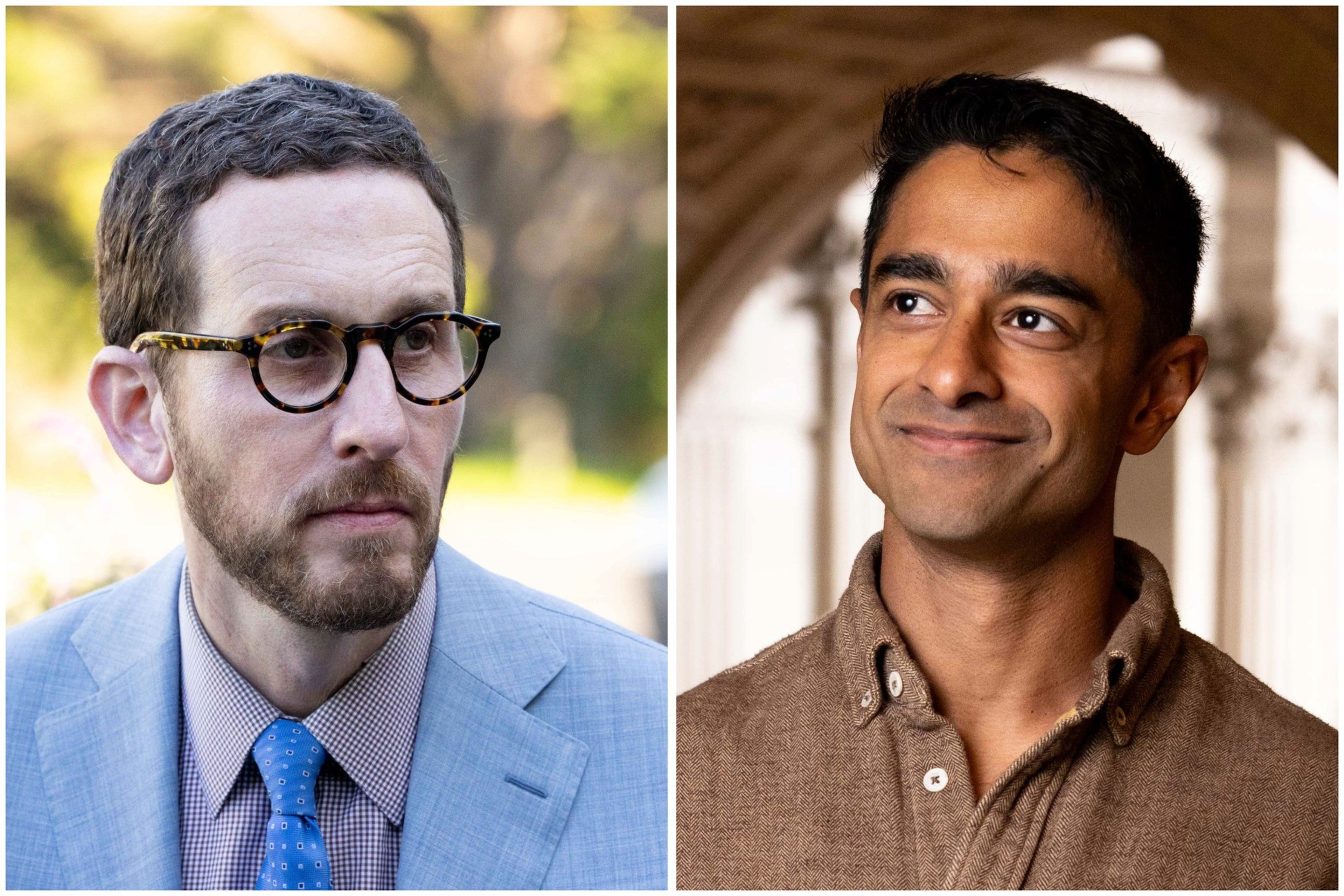
Public First PAC, backed* by $20 million from Anthropic and led by former Rep. Brad Carson (D-OK) and former Rep. Chris Stewart (R-UT), has intervened in favor of Scott Weiner to the tune of half a million dollars. Public First is a safetyist PAC that supports a national regulatory framework and Weiner was the sponsor of SB53, a landmark piece of AI safety legislation later gutted by Governor Gavin Newsom. Saikat has responded to Public First beginning to spend in favor of Weiner by framing the situation as the “AI lobby” entering the race to back Scott Weiner, alleging that Weiner helped water down SB53 in coordination with said lobby.
This is completely false, as Nathan Calvin points out in detail, even if the narrative seems plausible to the uninformed. Weiner did fight tooth and nail for the original text of SB53. I think Saikat is likely misinformed by a misleading article on the subject, and I encourage people to read the more accurate account in Politico. Regardless, I will continue to support Saikat, and don’t think this race is particularly important from an AI-safety perspective, unlike NY-12.
The case for the AI safety community backing Alex Bores in NY-12 is that he will sit on the Science, Space, and Technology Committee and propose a comprehensive piece of AI safety regulation, and has provided comprehensive frameworks for this purpose. Unlike Saikat or Bores, Weiner doesn’t have proposals for federal AI policy on his website. SB53 is a great, but if Weiner doesn’t sit on S&T and doesn’t propose legislation, the actual benefit is pretty minimal.
Weiner simply does not have the overriding commitment that Bores has for advancing federal regulation. Weiner refused to participate in Mission Local’s April 17th tech, AI, and crypto candidate Q&A, the only one to do so. This is not to say I think Scott Weiner is in the pocket of the labs, nor do I believe that he hasn’t taken political risks in supporting regulation on a state level. I just don’t think it’s a priority for him federally, and thus think it is pretty counterproductive to spend hundreds of thousands of dollars and political capital intervening in a Democratic primary. I am very much open to being wrong about this, and if anyone from Weiner’s staff wants to demonstrate that Weiner will focus on drafting federal AI legislation over other issues, I welcome the feedback.
Saikat does have some discussion of AI policy on his website, supporting a full slate of safety regulations. The crucial difference between Saikat and Weiner on AI policy is Saikat’s advocacy for public ownership and a temporary pause on data center construction, both motivated by a concern for extreme power concentration job displacement, and yes, existential risk. In the upcoming first edition of 1,000 Means, we interview Saikat on these topics, so hopefully that will make his positions more clear.
Public First has a questionnaire on their website for candidates and I’m pretty sure that Saikat would answer in complete agreement to Weiner on every point, with the major piece of contestation being Saikat’s focus on the ownership of AGI rather than just regulation. Regardless, both of these candidates support federal regulatory frameworks for AI to prevent catastrophic risk, and given Weiner is unlikely to prioritize the issue in Congress it doesn’t seem like anyone should be throwing half a million dollars into this race.
The final note I will make here is that it does worry me that Scott Weiner is receiving support from the Abundant Future PAC, which does include several anti-regulation VCs, though I do buy the idea that their support for Weiner is primarily predicated on opposition to redistribution, and all’s fair in love and class war.
What’s under discussed is that there is a cost to backing Weiner, alienating progressive Democrats and driving a wedge between catastrophic risk prevention and AI-populism, a coalition that must cohere if any this is to go well.
I am concerned that Public First Action’s strategy is counterproductive to AI safety on this dimension and others.
First of all, according to recent reporting by Transformer, Anthropic’s donation to Public First Action was a “contribution to a 501(c)(4) exclusively in support of its mission to educate the public on AI policy.” Even though Public First Action and its PACs, Public First, Defending Our Values, and Jobs and Democracy, have spent over three million dollars in recent elections, neither Public First Action nor Anthropic had disclosed the restriction on Anthropic’s donation, which would prevent any of Anthropic’s $20 million from being used to support or attack any candidate. While canvassing for Alex Bores I have repeatedly had to defend Bores from confused voters asking why he was backed by one AI company and attacked by others. This is a communications failure by Anthropic and Public First that has imposed costs on the candidates the PAC is trying to support.
Why has Public First Action not done considerable work clarifying this point? Plausibly, it’s to continue supporting the idea that they are an effective counterweight to Leading the Future, which has led to an influx of donations from sympathetic actors in the AI safety community and beyond.
However, Public First Action is not a counter to Leading the Future outside of the race for NY-12. In his excellent thread on SB53, Nathan Calvin writes that Public First is “fighting against AI preemption” and “supporting states in their efforts to enact AI protections”. Brad Carson frames his PAC as an effort to right the big spending of the AI PACs, such as their advocacy for the permissive Illinois liability bill. Carson says that his PAC’s goal is “supporting Democrats who put people before Big Tech”.
While I do believe that Carson is well intentioned, I don’t think this is what Public First is actually doing. I will argue that Public First’s activities are actively undermining AI safety and are pursuing an incoherent political strategy rather than acting as a true counterweight to Leading the Future. Frankly, I think people in the AI safety community should probably cease donating to this PAC and set up another vehicle for support of Bores if Public First does not dramatically change their strategy. I am open to correction on this matter if someone can provide a case that what they are doing makes any sense
All of Public First’s campaign non-Manhattan spending has been on moderate Democrats or Trump-endorsed Republicans. Public First has repeatedly intervened in favor of moderate Democrats against progressive opponents who also back comprehensive AI regulation. This has had the effect of polarizing the left against the AI safety community, limiting the capacity of experts to influence outcomes of the emergent wave of anti-AI populism.
The problem may lie in the PAC’s leadership. Brad Carson was a moderate Democrat while in Congress, one of the 81 Democrats who voted in favor of the invasion of Iraq. This is likely related, even if unintentionally, to the PAC’s spending bias in favor of moderate candidates against progressives.
To clarify,
i) I am not arguing that it was bad for Brad Carson, who represented Oklahoma, to be a Blue Dog. It is a deep loss for the Democratic Party that our House delegation no longer includes many like him.
ii) I am not arguing that Brad Carson’s prioritization of AI safety is illegitimate or unfaithful. Even a cursory glance at his public comments demonstrates he is seriously concerned with AI risk and is attempting to fight back against the deluge of spending by OpenAI and its accelerationist co-conspirators.
I would simply contend that there are better strategic approaches to fighting Leading the Future, like actually fighting them in the campaigns they are spending in instead of intervening in low-impact races with high factional salience.
Former Rep. Stewart meanwhile, is pro-Trump, runs a defense lobbying firm, and voted against certifying the 2020 election. Regardless of one’s positions on AI safety, I do not think Anthropic or anyone else should be giving someone who participated in an attempted coup d’etat against the republic millions of dollars to spend.
Beyond the race in San Francisco, Public First has been intervening across the country, not always in ways that I find strategic.
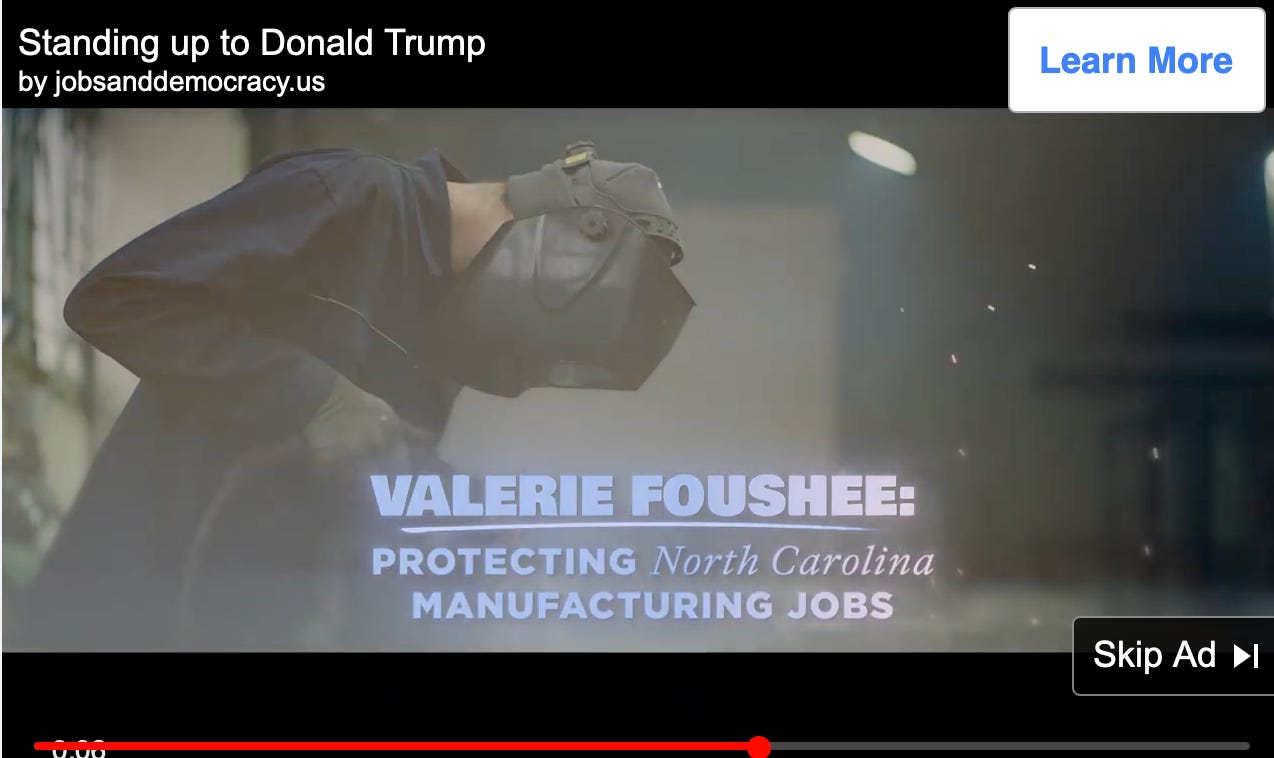
The PAC spent $1.6 million supporting moderate incumbent Valerie Foushee against a Bernie Sanders backed progressive challenger Nida Allam. Foushee serves on the House Committee on Science, Space, and Technology, and is co-chair of the House Democrat Commission on AI and the Innovation Economy. I at least understand the outline of a case for spending in this race, but what is the actual argument here? Is the world substantively better along the dimension of AI safety because Foushee was victorious in her extremely close primary, which was decided by less than 1%?
Foushee has proposed some (rather weak) pieces of legislation, such as the Expanding AI Voices Act (HR 7158), and has called for environmental standards in data center construction. She opposed Trump’s guardrail-less National AI Legislative Framework. Besides for sitting on a relevant committee and being on a relevant Commission, it is unclear why Foushee is marked as a champion of AI safety, enough to intervene in a competitive primary and protect her against a challenger.
Nida Allam’s closing ad buy noted that, “As Election Day approaches, you’ll see nearly $2 million of ads for my opponent, funded by AI-backed super PACs - the same AI corporation who powered Trump’s attacks on Iran.” After she lost, Allam alleged that “the AI lobby just bought its first seat in Congress.” Those with knowledge of the differences between the PACs can quibble with this characterization, but I don’t think it’s completely unfair, especially given the lack of clarification by both Public First and Anthropic on their relationship. This well poisoning race has become a common talking point on the left and has generated deep distrust of Anthropic and the nexus of classical AI safety advocacy in general.
Allam was in favor of a data center moratorium, a policy that we have expressed disagreement with, and if Public First wants to prioritize preventing a moratorium, then they should probably just say that instead.
There are a host of Democrats on S&T that will be involved in writing AI bills, but I frankly don’t trust any of the incumbents to write this legislation, which is exactly why I spend every Sunday morning knocking on doors for a State Assemblyman from the Upper East Side! Blindly throwing money Foushee has coalitional cost and strengthens the position of incumbents who don’t appear to be ready to write the comprehensive AI regulatory frameworks that the situation necessitates.
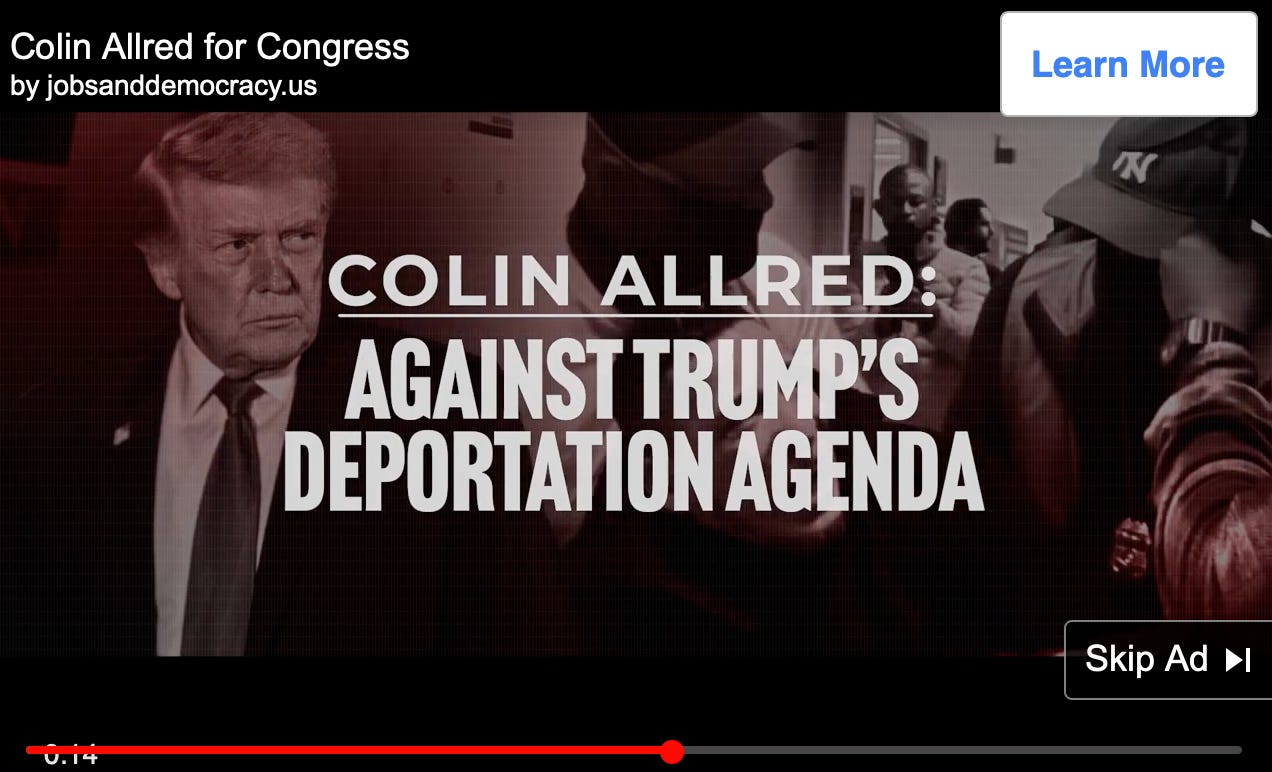
This one is even stranger. Allred is a former Congressman who, after losing a Senate race to Ted Cruz in 2024 and accusing Democratic Senate candidate James Talarico of racism, is heading to a runoff against an incumbent, Julie Johnson, who is endorsed for re-election by Alexandria Ocasio-Cortez. Public First is spending $150,000 backing a moderate primary challenger against an incumbent, a politically costly activity more salient than spending in an open seat. So, what are they getting out of this?
Allred’s platform calls for a non-preemptive federal AI framework, renewable power for data centers, and export controls, ie. the positions held by almost all Democrats, including Rep. Johnson. Intervening in this race is a straightforwardly moderate factional fight that provides zero benefit from an AI safety perspective.

After Texas Republicans passed an unrepresentative gerrymander, Rep. Greg Casar’s seat, TX-35, was made lean-R seat. Unfortunately, Casar refused to test the progressive case for winning over Trump voters and is now running in Lloyd Doggett’s district upon the latter’s retirement. The seat is open, and is targeted by the Democratic Congressional Campaign Committee as a crucial in-play district to win the House.
In order for sufficient AI regulation to pass, Democrats must win the House majority. Even with some brave Republican voices in favor of regulation, the party’s leadership, and its President, is bought and paid for by OpenAI and a16z. House Republicans continuously float AI preemption as an NDAA rider!
Thus, it is likely insanely counterproductive for donors to be giving money to a PAC spending nearly half a million dollars to elect Carlos de la Cruz, a hard-right reactionary who promises to be the President’s “wingman in Congress” and has a plank in his platform for “Defeating the Woke Left”, which is “poisoning our kids”. I do not think this position is conducive to creating broad coalitions for AI safety.
His platform’s AI section has support for safety evaluations, deepfake protection, and semiconductor export controls, but all of that is outweighed by the fact that backing him decreases the chance of a Democratic majority that would actually advance AI safety bills. He also has no record on this issue beyond tacking it onto his campaign platform, which pokes a hole into a common characterization that Public First’s strategy is to back candidates with experience delivering results on AI safety.
Even beyond loss of control regulations, if you are concerned about extreme power concentration and the protection of American democracy, it seems extremely bad to me to provide support for de la Cruz, who is in a runoff against a more moderate and bipartisan candidate John Lujan.
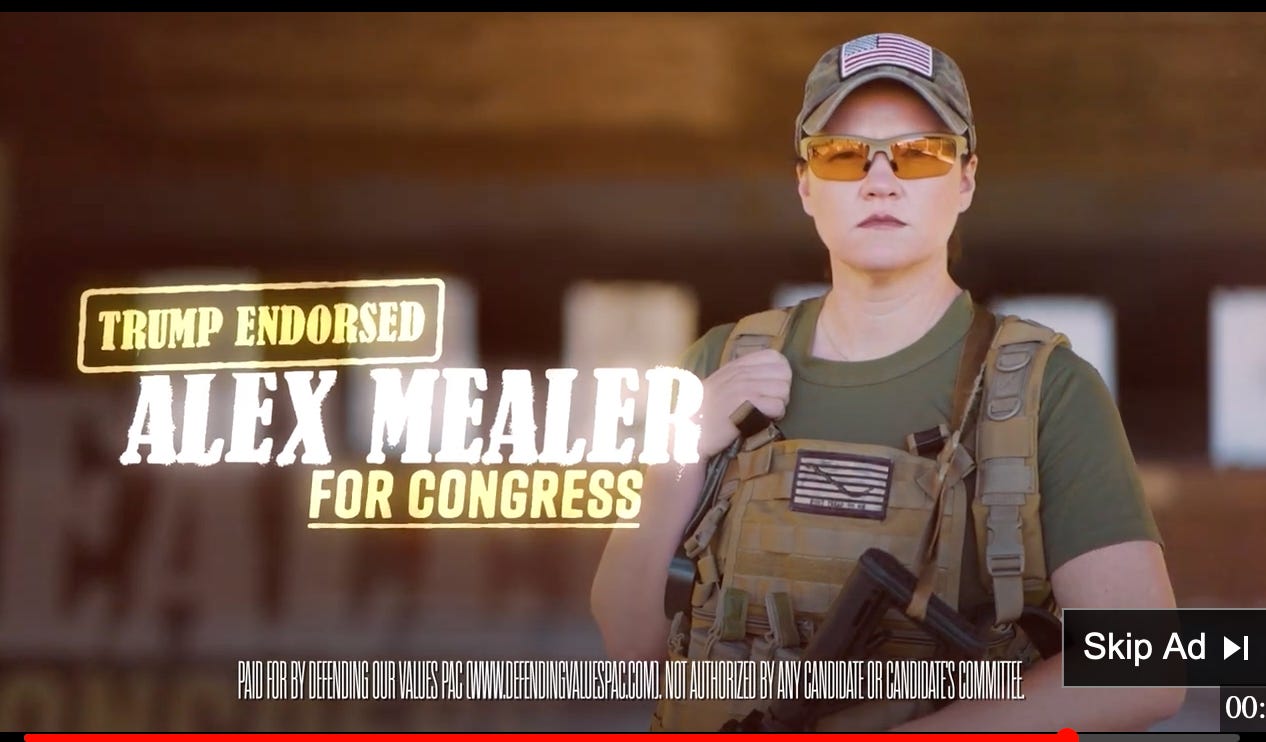
Mealer is another Trump endorsee that Public First is backing, with nearly a quarter-million, over a more moderate Republican candidate in a Texas runoff. Though she has some vague commitments to safety reviews for powerful AI systems, she also said that she supports Trump’s AI legislative framework, an insufficient sop to the industry that Brad Carson described as “saccharine: empty of nutrition: certain to leave a bitter aftertaste, and probably carcinogenic.” I would argue that if a candidate supports a policy you would describe as carcinogenic, perhaps they are not the best targets for supportive spending?
Much like Leading the Future’s ads, the GOP-facing Public First cut-out Defend Our Values ran ads focusing on Mealer’s military record, with no mention of AI policy. This is the exact behavior the AI safety community has criticized Leading the Future for. This holds for much of Public First’s spending, which limits our ability to fight back against Leading the Future’s dishonest tactics in good faith.
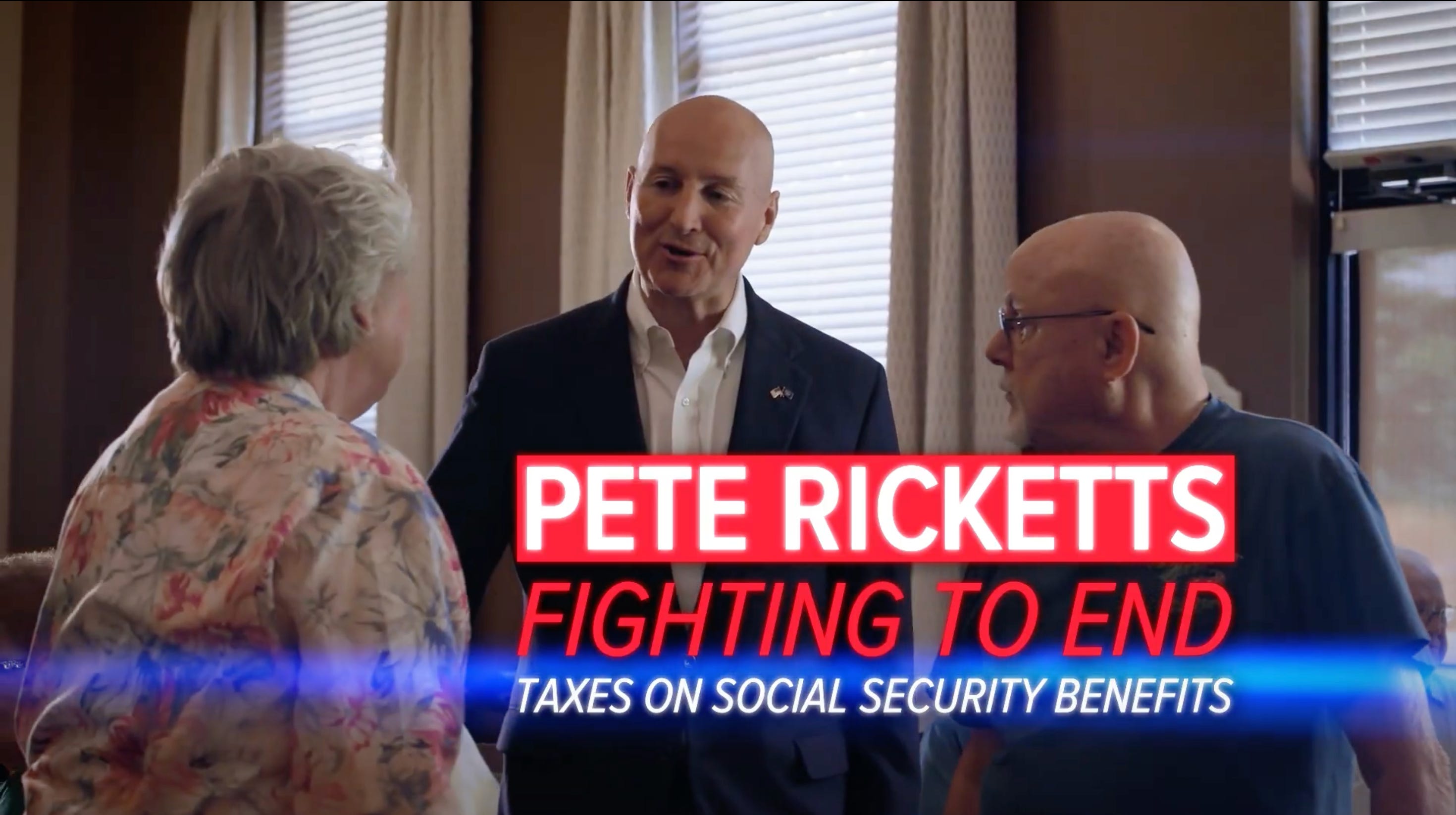
If Congress is to regain its agency in restraining the executive, and if substantive regulation is to pass both houses, it is crucial that Democrats win the Senate. One of the more promising races in this regard is moderate independent Dan Osborn’s campaign against Senator Pete Ricketts in Nebraska. Unfortunately, the PAC is spending to get Ricketts re-elected and thus de facto fighting to secure a GOP majority in the Senate. Unlike the other races here, Ricketts does not face a competitive primary, so this intervention’s primary effect is changing the partisan balance of the upper chamber.
Ricketts is a co-sponsor of two pieces of quality legislation, both on security and hardware export controls, the SAFE CHIPS Act and the MATCH Act. These bills are not motivated by AI safety concerns, but by Rickett’s deep hawkishness. He did not take a public position in opposition to Ted Cruz’s proposed 10-year state AI moratorium, unlike Nebraska’s other Republican Senator Deb Fischer, nor has he advanced any other comprehensive regulatory framework. His AI policy advocacy is narrowly focused on maintaining competitive advantage with China, which can get Republicans to support some useful policies like chip export controls, but is also a major ideological barrier to actually sufficient regulation or a negotiated pause. The MATCH Act is a decent piece of legislation, and if you sought to signal that Republicans should break with the administration on chip export controls, why not spend token sums on the bill’s co-sponsors, like Senator Risch (R-ID), who is not in a competitive race that may decide control of the Senate?
Osborn has gone on the offensive, describing the $200,000 spent by Public First Action as “a Silicon Valley company wants to buy Senate votes on A.I. policy”. I remain skeptical that alienating a moderate working-class populist by spending against him in favor of a GOP incumbent will decrease existential risk.
It is unclear to me what values lies in increasing the probability of a GOP majority, ensuring the re-election of a Republican who holds a position on export controls shared by several other co-sponsors. Unlike with Alex Bores, a uniquely competent expert on AI policy, electing Pete Ricketts over Dan Osborn does essentially nothing to increase the likelihood of future positive regulatory developments. Yes, Pete Ricketts is “a strong advocate for controls that keep advanced AI chips out of the hands of adversaries”, but there are two candidates in this election and the other would also certainly vote in favor of chip export controls.
I want you to imagine the world in which Democrats are 1 seat away from a majority, and the closest the Caucus came was Osborn after an AI Safety PAC spent against him. How do you think Democrats will react? Do you think they will be ready to craft sensible well-designed AI regulation then?
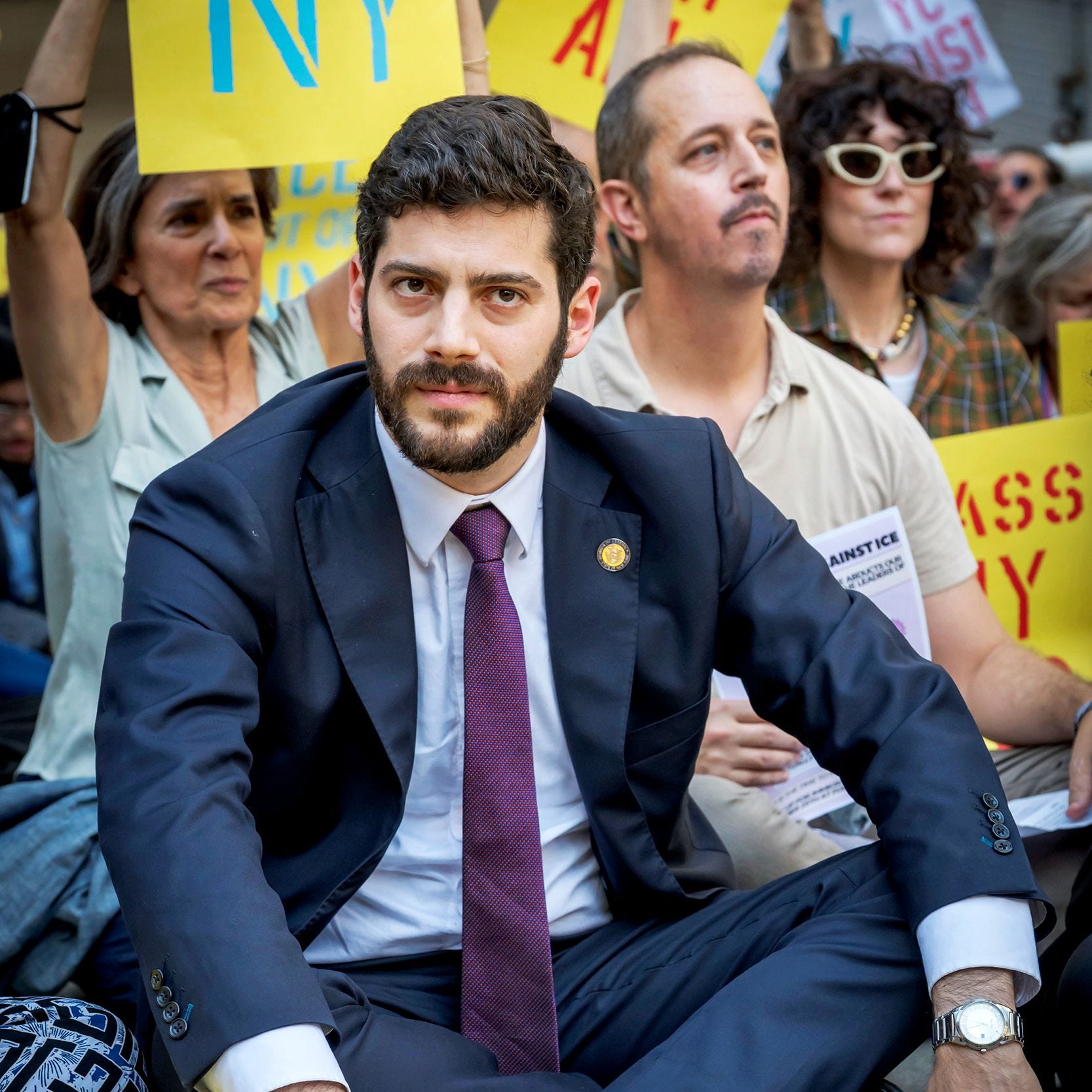
Alex Bores (NY-12)
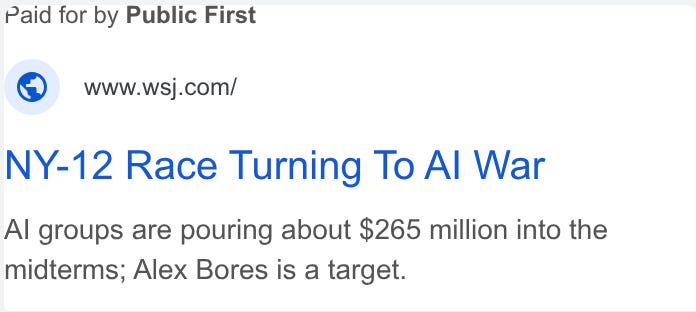
While canvassing for Bores, a voter expressed some confusion to me regarding the spending patterns of the race. Why were some AI companies targeting him and other supporting him? It seemed to this voter that perhaps this was some Silicon Valley infighting she didn’t want to deal with, and perhaps she should take a look at the candidates without any spending for or against them from big tech.
Both of Bores’s opponents have made a version of this argument. Micah Lasher names Anthropic, OpenAI, and Palantir as tech used to advance Trump’s “fascist agenda.” He has said that ,“the AI industry is fighting to decide the terms of its own regulation. While OpenAI pushes to defeat/weaken AI bills it sees as restrictive, Anthropic outwardly supports regulation while working to narrow scope.”
Public First’s intervention has allowed Lasher to distance himself from the spending in the race with pox-on-both-your-houses rhetoric even though he is the prime beneficiary of Leading the Future’s much more aggressive spending. Electing Bores is a crucial gain for AI safety, but it is unclear that the spending will actually help, as it dilutes the basic moral case against big spending. Now, if Public First made it clear that their campaign activities were not funded by Anthropic, perhaps by making clear who actually is doing so, that would probably help.
It has given Jack Schlossberg the opportunity to say he is “running against people who are backed by massive billionaires or massive AI companies.” Let’s not give this dilettante any ammunition!
It is of course insane to see either of these men posture on AI as they conspicuously leave their policy preferences on the topic underspecified, as to not upset the avalanche trying to bury Bores.
Countering Leading the Future’s deluge is a worthwhile objective, and ensuring that doing so does not complicate Bores’s case against them is a necessary component of doing so. However, this is the only race where Public First is spending against Leading the Future.
What are we even doing then?
The crucial difference between the Bores case and Weiner, Foushee, etc, is that Alex Bores is the target of massive accelerationist spending against him, and is thus plausible that Public First’s spending may counteract this offensive. Greg Brockman isn’t spending a dime trying to elect Saikat Chakrabarti or sink Scott Weiner!
Public First and Anthropic are incurring dramatic political cost in tearing apart their relationship with progressives for minimal policy gain, confusing the AI safety movement’s ability to critique Leading the Future’s spending, and increasing the chance of a GOP majority. My best explanation for why this is happening is that it is simply misguided, but it is a dangerous mistake.
How do you think progressives will react as the AI safety community’s money is deployed against left-wing candidates in primaries, even as those candidates support AI safety regulations? Why are we wasting money and political capital on Democratic Party factional fights with minimal EV?
Our most powerful tool in attacking much more suffuse spending of Leading the Future is that they are trying to buy elections by running ads that obfuscate the true purpose of the PAC. This becomes substantially more difficult if pro-regulation advocates are doing the same goddamn thing. There is a narrative that Public First is primarily acting as a counterweight to Leading the Future, and if their policy was just matching Josh Vlasto in the same races, this would make sense.
However, Public First is engaged in a wildly different strategy that isn’t contesting the accelerationists in any race except for Bores’s, and in fact has spent on the same side as a16z and co for Josh Gottheimer in a battle to influence one of the most aggressively factional moderates in the party.
Anthropic should probably stop modeling OpenAI’s anti-democratic behavior and cease trying to influence elections. Lab employees who want to donate should likely be prioritizing assisting Bores, or for that matter ensuring that swing-district Dems win marginal seats to ensure a House and Senate majority, rather than spending money on Weiner, Allred, and Ricketts.
Instead, I would like to propose a different course of action, listed in order of confidence:
i) Public First Action should reveal its donors if able, to shine some light on this dark money group and reveal that their campaign operation is not just Dario and Daniella Amodei in a trench coat.
ii) Public First should stop spending in Democratic primaries where both candidates are likely to have similar impact re: AI safety legislation in the House, and should stop supporting Republicans in cases where Public First’s spending may shift partisan control of the chamber. On CA-11, I think the AI safety community in SF should seriously consider that Saikat Chakrabarti is a high-value candidate on the merits alongside Weiner, but I recognize this is a minority view. Regardless, any further spending on the race for either candidate will have poor coalitional consequences for AI safety’s efforts to collaborate with viable partners left and center.
iii) Public First Action should target its spending against candidates endorsed by Leading the Future, both Republicans and Democrats, and for candidates attacked by the PAC. This is especially important as LTF and Innovation Council Action scale up support for Republicans in marginal districts after primary season closes. Given funding constraints, it would be impossible to literally just mirror and match LTF, but approximating such a strategy would be more honest and grant greater freedom of action to candidates opposing the AI lobby. My intuition is that shoring up Bores is the best course of action, seconded by targeting the Republicans backed by LTF. Defeating the candidates of the party that controls the White House could have an outsize impact on the administration’s actions if it believes that being too supportive of the AI lobby’s drive towards laissez-faire cost them the House and Senate.
iv) Public First should stop running ads that obscure the purpose of the spending, which inculcates an environment of distrust and creates difficulties for the candidates they are trying to support. Many of the ads in favor of Bores do well on this front.
If this tact was taken, I would gladly donate to Public First and encourage others to do so. At the moment though, besides for on Bores, they seem to be taking the wrong approach.
Let’s think more strategically here folks, it’s only the world on the line.
Update: Donate to Dream NYC if you wish to support Alex Bores beyond a contribution to his campaign.
https://www.dreamnycpac.com

> Public First PAC, backed* by $20 million from Anthropic
(They apparently said that none of Anthropic's money is used for independent expenditures)
For someone on the “opposing side” I agreed a heck of a lot more with your “wtf are you guys doing these gambles are insane” takes. I remain baffled by the coalition the safety folks are willing to make. It’s like no one understands second order effects in that camp