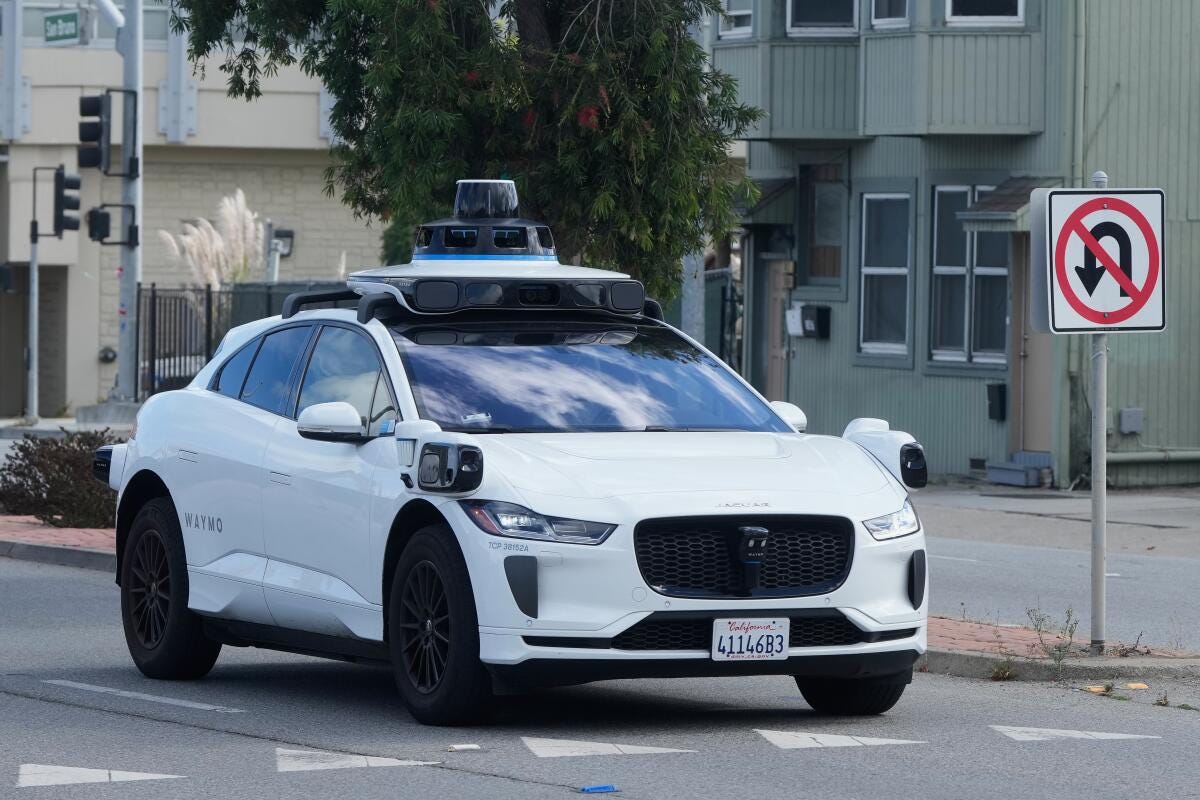
Dreams of autonomous vehicles began less than 50 years after the first car was invented. Since then, the idea of a self-driving car has driven constant waves of new technologies, from advanced driver assistance after World War II to Carnegie Mellon University’s work on neural networks in the 1980s. In the 2020s, we finally achieved the dream. Driverless cars are now a reality. In San Francisco, Phoenix, or Austin, you can get into a Waymo, a taxi with no one in the front seat. We did it. This is good, right? We should be expanding this as rapidly as possible? We dedicated so much time and resources to this, so we should all take advantage, right? But the rollout of driverless cars has not been that easy. Waymo has faced constant opposition, criticism, and scrutiny. Many left-wing politicians and ideologues have treated Waymo with intense skepticism. As a result Waymo has not expanded as much as one might expect. In particular, New York City has avoided full adoption, and Mayor Mamdani’s administration does not seem to be particularly keen on its expansion. WhileThose on the left are right to question how those benefits and growth will be distributed,this is not a reason to shut off NYC from this technology entirely. Rather, we should use the economic profits Waymo promises as a tool to build a just society, through thoughtful taxation and redistribution, ensuring that its resultant growth benefits every economic stratum.
Economic effects aside, self-driving cars will make substantive contributions to safety. Driverless cars are much safer than human-operated ones. Waymo’s data has revealed that they crash far less, resulting in far fewer injuries, over the 127 million miles Waymos have driven so far. They offer a 92% reduction in pedestrian crashes with injuries and 90% fewer crashes with serious injuries. This is an incredible advancement. Car crashes are the leading cause of death for children and young adults, at 20% of all deaths. A drastic reduction in the number of car crashes would be one of the most significant policy outcomes in recent US history. While there are many other policies that would help achieve this, including changing the design of roads, speed restrictors, and increased use of public transportation (all of which are good and I support), Waymo and other automated vehicles offer a real route to substantially lower death rates. Waymo currently offers a very narrow version of automation, focusing only on taxis. However, this technology has other effects, opening a world for bus automation, freeing up money that can be used to improve transit. It will also allow for automation of trucking, significantly reducing the cost of shipping, which will make a serious dent in the affordability crisis. Autonomous vehicles have the potential to make our world safer, faster, and cheaper.
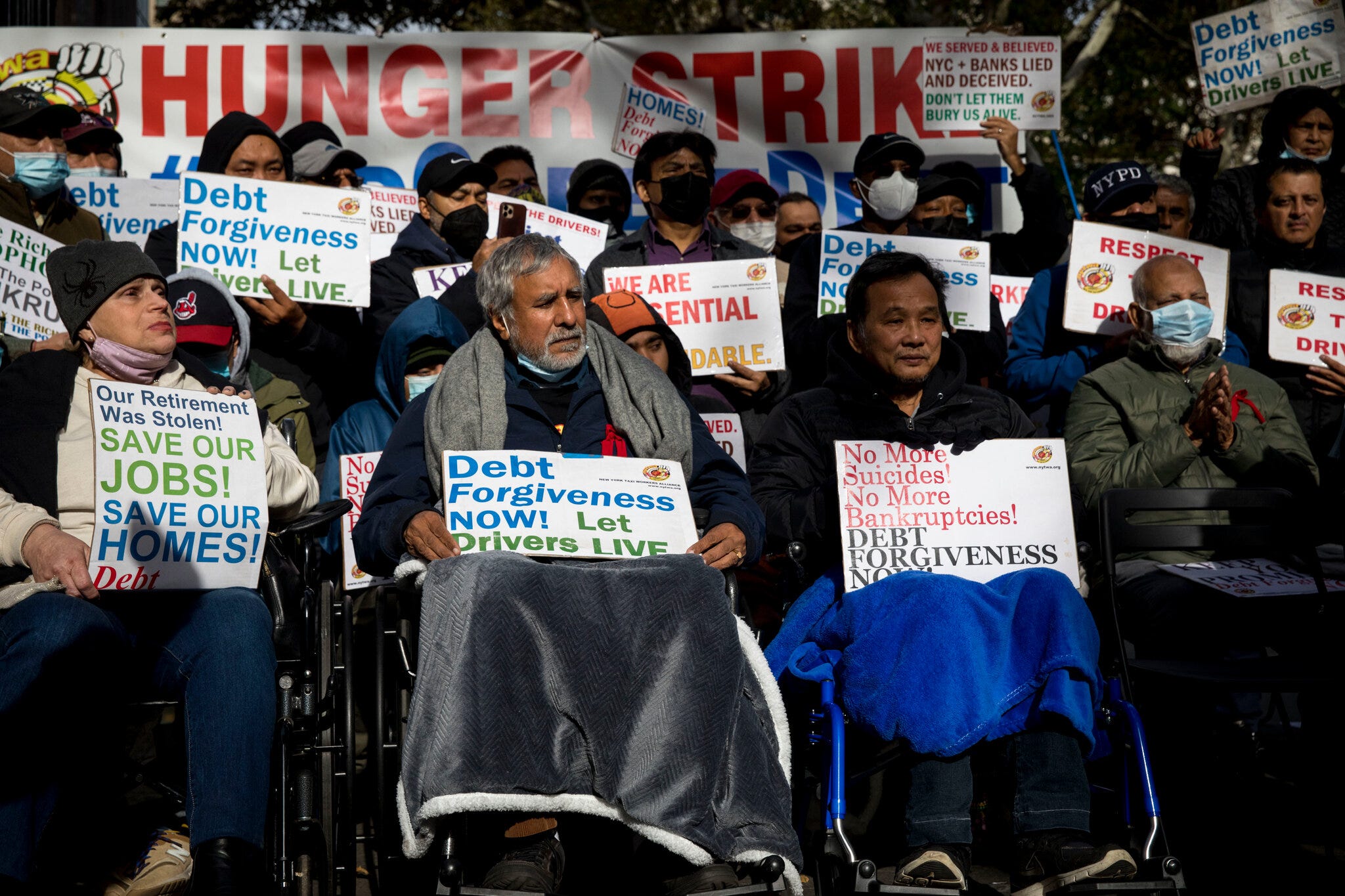
However, some people will be unequivocally harmed by the introduction and growth of Waymo and self-driving cars. Specifically, taxi drivers. There are roughly one hundred thousand taxi and rideshare drivers in New York City. That is a lot of people with a lot of families. They are primarily immigrants, and taxis and ride-shares represent an extremely important source of flexible jobs. If Waymo is correct and their technology is able to advance such that their are very few human taxi drivers left, these jobs will no longer exist. All of these current drivers will face financial hardship, and future generations of immigrants will face a world without this important source of jobs. In 2018, many taxi drivers faced hardship due to the declining price of taxi medallions, resulting in at least 8 suicides. Rideshare drivers are already facing declining pay in cities where Waymo has rolled out. You cannot simply wave this away with claims of labor market adjustment and the unfortunate but necessary consequences of automation, citing some “greater good.” Real people will be hurt substantially, and the government should help them.
In addition, there is a reasonable likelihood that Waymo will have other harmful effects on society writ large. Waymos spend more time in between passenger rides, taking up more space and emitting more carbon. Making automobile transportation cheaper will also incentivize it further, bringing the same negative spatial consequences that cars currently have. Waymos do not solve every transportation problem cities face. They’re still cars. It’s not some magical cure-all.
Luckily, there is a solution to these problems. Tax Waymo. Waymo is owned by Alphabet, Google’s parent company. They have enormous amounts of money, and they believe Waymo will make them even more obscene gobs of money, especially in NYC. It is perfectly reasonable to ask that Alphabet, a company with extensive resources, to cover the disruption to the livelihoods it will disrupt.iUse the money from this tax to redistribute, creating programs to help current drivers and future immigrants, such as by ensuring that taxi drivers can immediately receive their retirement benefits. Use it to invest in public transportation, making it a better alternative. We could allow the economic benefits of autonomous vehicles to be hoarded by the wealthiest individuals in the world thousands of miles away. We must ensure that everyone can share in the prosperity that automation can and should deliver.
Driverless cars are coming. If New York City decides to ban Waymos in the near future, the result will not be the end of autonomous vehicles. The result will be that NYC will have no control over the future of these cars as they continue to advance and grow more common across the country and world. Barring a worldwide ban, which is unlikely, NYC would be remiss to to use its power to guide Waymo’s development and influence who it benefits. Waymo desperately wants access to NYC’s markets, with its high demand for taxis, and is willing to invest significant capital to gain that access. Let us use that power for good, to protect those whom Waymo would otherwise harm and ensure prosperity for all.