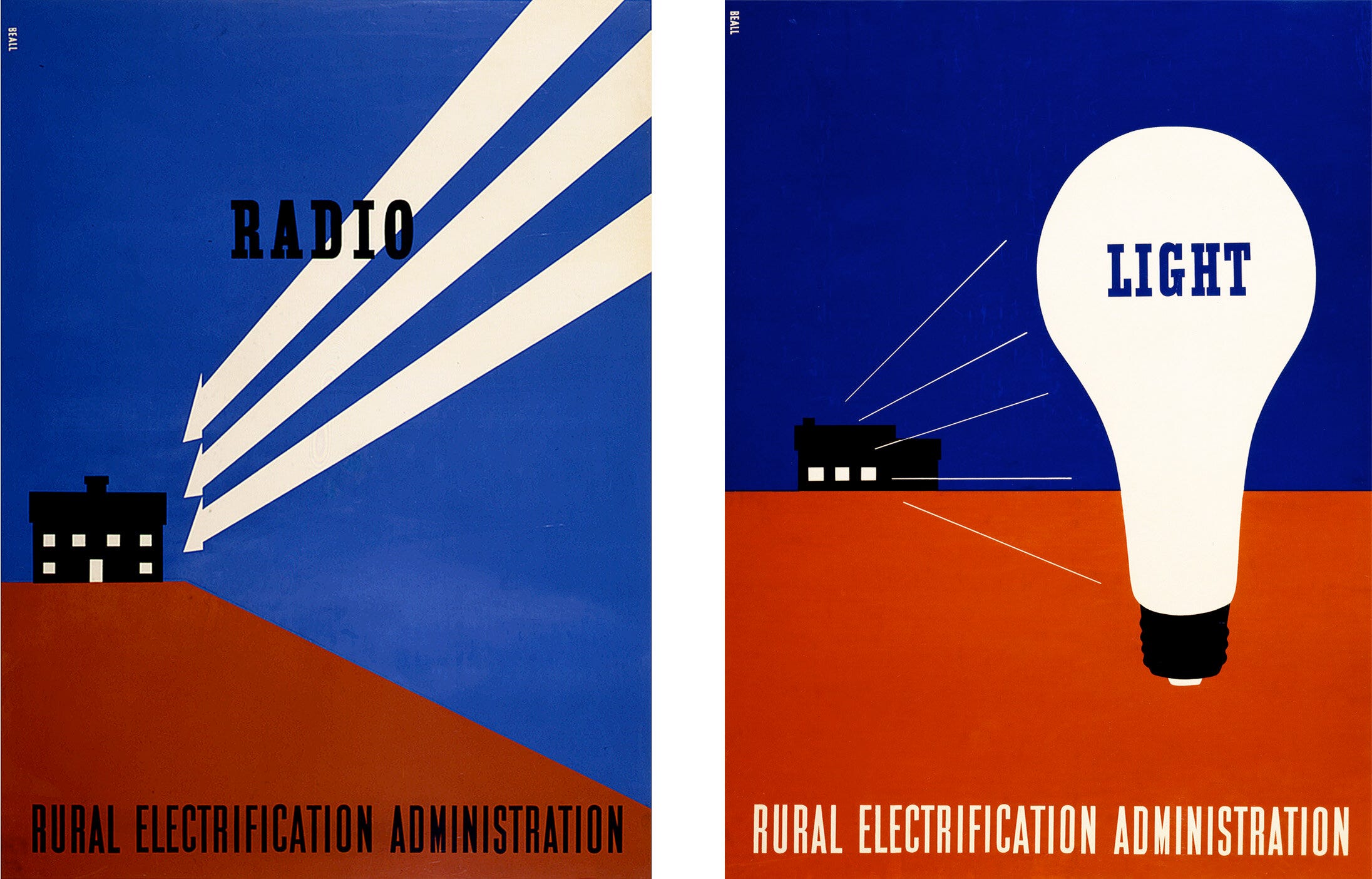
Since the New Deal successfully electrified most American dwellings nearly 100 years ago, the conversation around electrification has shifted. Then, rapid electrification was broadly seen as a moral imperative, a national project requiring government’s singular attention. Now, the work is broadly seen as finished, with what remaining choices between electricity and fuel that are left considered to be just that: consumer choices. This poses dire consequences; artificial barriers to production and trade of EVs has led to their enduring status as a luxury good, all towards the further enrichment of modern-day robber baron Elon Musk. Moreover, as I discussed in my last article, home furnace emissions accounted for 20% of our total carbon emissions in 2024, contributing immensely to climate change despite the availability of cleaner technology.
Fortunately, trends in heating electrification have been encouraging. Recent improvements made to home heating pumps have allowed electricity to not only meet, but surpass the efficiency of gas furnaces in terms of their heat output, all but replacing less efficient heating coils as America’s main mode of electric heating. Before this, different sources of heating were discussed in terms of tradeoffs; though gas heating was worse for the climate, heating coils took longer to heat up and used more energy. Now that heat pumps dwarf in both metrics, there is simply no longer a tradeoff. The technological progress at play is foundationally critical to our recent uptick in heating electrification; from 2010 to 2024, the percentage of households that use electricity as their main heating source has increased from 35% to 42%. Since the year 2000, the share of single-family homes built with heat pumps has more than doubled.
However, technology-as-destiny does not tell the whole story. Our recent move towards the grid was fueled by effective, specific policy interventions meant to encourage household conversion. Regardless of the disparity between their effectiveness, replacement of old infrastructure with new always comes with an up-front cost, which inherently discourages adoption especially if the old system is perceived as working just fine. Several cities in California and other states have taken the step of simply banning the construction of new gas lines, “encouraging” electrification by regulatory force. This approach, however, has had unintended consequences on the cost of construction and the price of housing. Though gas bans (that is, those that aren’t struck down) have placed regulatory pressures on developers to increase the share of electrified heating in homes, they have also resulted in a rise in construction costs, lowering the growth of the housing supply and increasing prices. Climate policy needs public buy-in to be implemented and sustained. If at odds with the needs of working people, excessive regulation can result in the single most harmful possible effect on emissions: Republican governance.
Fortunately, blanket construction restrictions are not the only weapon in our arsenal. In recent years, the implementation of heat pumps was most greatly accelerated by the Inflation Reduction Act, whose grid-related provisions took advantage of the technology’s strengths to encourage developers and homeowners to take on the upfront cost of implementation. The IRA crucially offered tax credits and large rebates for heat pump purchases, allowing low and middle-income households to viably convert.
The Trump administration has seen fit to roll back nearly all IRA provisions. Last year, the President’s flagship legislation, the One Big Beautiful Bill Act, ended nearly all incentives for the manufacture and installation of heat pumps. The tax credit scheme, originally set to end in 2032, instead ended on December 31 of last year. The rebate program was effectively axed even earlier via executive action. This has already had disastrous consequences for consumers. As early as February of 2025, some estimates projected a 7-10% increase in electricity prices following the repeal of IRA incentives. Looking back on this a year later, electricity prices have only increased– and well beyond the rate of inflation at that. This increase occurred due to a variety of factors, but the President’s desire to artificially restrict supply certainly doesn’t seem to be helping.
This debacle and its resulting political environment, however, present an opportunity for the left to make our case. In my last article, I made the argument that cheap energy is clean energy. We also need to argue that clean energy is cheap energy. Reinstating and expanding these incentives is key to an energy policy that reduces emissions without subjecting the public to regulatory scarcity. By increasing the energy supply, we can reduce the recurring penalty of electricity’s cost to a smaller, up-front penalty related to the one-time cost of its adoption. In financially incentivizing heat pump adoption, we can reduce even this penalty, making heat electrification as financially sound as it is environmentally responsible.