Greenhouse gas emissions destroy habitats, increase the global temperature to a harmful degree, and make our cities and towns unpleasant places to live. As a result, those concerned with the effects of emissions have historically set their sights on the obvious target: high-carbon energy sources such as coal, oil, and natural gas. Environmentalists have implemented policies that directly curtail these power sources in favor of low-carbon generative methods. Unfortunately, neither the problem nor its solutions are this simple. This zero-sum view of energy production, that environmentalist policy must merely remove the bad energy and replace it with good, green energy, ignores the nature of energy in a human social context, i.e., its scarcity and high consumer cost. The left must learn to think of energy differently. It has been the lifeblood of human social activity since the dawn of social activity. People have always needed to heat their homes and will do so via the cheapest available means; cleaning the energy grid won’t have the intended effect if it increases electricity prices beyond practicality. Climate change is of grave concern to us, but we cannot defeat it with green austerity. Decreasing the amount of energy available to the public will not reduce energy consumption, but force consumers to fend for themselves, which does not reliably decrease emissions. As such, left-of-center politics should adopt a less regulatory mindset towards energy production, instead seeking ecological sustainability via marshalling as many sources of electricity as we can muster.
The most common means of home heating in the United States are natural gas furnaces, which are used in 47% of homes nationwide (accounting for 20% of total American carbon emissions), while only 42% of homes use electricity (though this percentage is increasing). The main reason for this is cost; natural gas heating tends to be anywhere from 30 to 50% cheaper than electric heating. This is largely due to two constraints on electricity. The first is infrastructural; it is simply easier and cheaper to build home furnaces in most areas than it is to expand the power grid such that electricity delivery becomes cost effective. This is a technologically feasible (if politically difficult) problem to solve. The New Deal electrified most of rural America nearly a century ago, and our engineering prowess has only improved since then. This is not a question of whether we can bolster our generative capacity, but if we are willing to do so. The second constraint is physical in nature: the energy supply is limited.
Scarcity in the energy supply can have disastrous consequences. In my home state of Arizona, 270 people have died in their homes due to a lack of air conditioning in Maricopa County alone since 2020. The effect of extreme cold, however, is even more sobering; between 2017 and 2022, researchers observed a 95% increase in cold-related deaths. With increasing numbers of Americans struggling to pay bills, tragedies like these are expected to persist, and even increase. For the most part, environmentalist energy policy has failed to recognize the universality of energy demand, with an ethos that treats energy use as consumer excess rather than a basic human need. Many environmentalists still operate under the notion that we must reduce our overall energy consumption, a position out of step with not only public opinion, but our fundamental desire for safety from the elements.
The demand that the general public get on board with austerity often results in the rollback of nearly ALL environmental policy, but even if we set aside the risk of political backlash, regulation on energy consumption can do more harm than good vis a vis emissions. We don’t even need to examine a counterfactual here; we need only glance at our present reality. On top of the 47% who use natural gas furnaces as a primary source of heat, even more use other high-carbon fuel sources, and even more than that use natural gas as a secondary source. Over half of American households are already not primarily relying on our energy grid for heat, using furnaces whose emissions account for, again, 20% of the national total! This chiefly results from natural gas’ low cost compared to electricity. Advocates of electrification must therefore explore ways to drive down electricity costs.
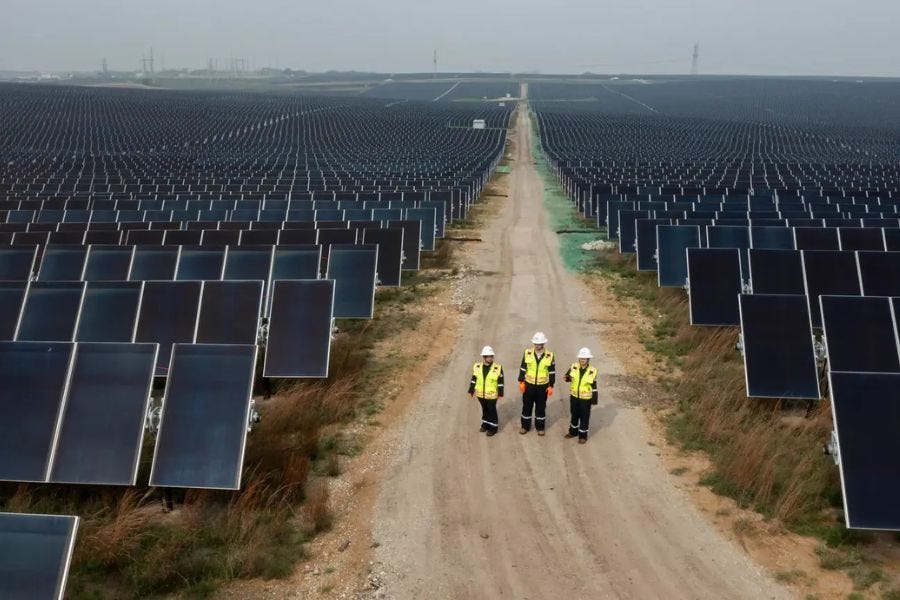
Electrification is good for the environment, and any credible electrification mechanism must entail getting electricity prices to a level comparable with, and eventually cheaper than, gas prices. Because we can assume that energy demand is set to increase with further population growth and economic development, we must focus on increasing supply, which we can actually control via policy intervention. Deregulating the natural gas industry has successfully reduced electricity prices in the past. What’s more, this deregulation resulted in an 18% reduction of CO2 emissions in the years following their implementation, suggesting that increased regulation is not always the best way to combat climate change. This is largely a result of natural gas’ replacement of coal, much more emissive than natural gas, as our main power source. Coal still comprises around 15% of our total energy output. Deregulating the natural gas industry further (alongside nuclear, solar, and wind), would decrease that percentage even more, all while lowering the overall cost of energy. In order to increase the energy supply enough to substantially lower prices, we must use every source of energy at our disposal, including relatively high-carbon sources such as natural gas.
Opponents of this position often argue that the transition from gas to grid doesn’t reduce emissions if the grid is powered by gas. This would be a very strong argument against my position if my position was to power the grid only with gas. A household that uses a furnace powered fully by natural gas produces more emissions than a house powered by some electric source connected to a grid that is powered in part by natural gas. This reduction is further compounded by the fact that electric heat pumps are more efficient at heating homes than furnaces, with the only constraint on their adoption being the presently high cost of electricity.
Left-of-center energy policy should be deeply conscious of carbon emissions, but so too of human comfort and safety. We have long understood that the austerity of neoliberalism is a choice, made for us by rent-seeking interests who have little regard for the public good. We cannot repeat their mistakes in our quest to reduce emissions and curtail climate change, nor do we need to do so. If we recognize both realities, we can have both a prosperous civilization and a breathing earth. We just have to choose them.